Optimal Water Treatment Scheduling
Water treatments are essential for maintaining water quality and safety in various settings. The timing of these treatments can significantly impact their effectiveness and longevity. Proper scheduling ensures contaminants are managed efficiently and system performance is optimized.
Water treatments are often most effective when aligned with seasonal changes, such as before summer usage spikes or after winter shutdowns.
Treatments should be scheduled before construction begins and after completion to ensure water quality during project phases.
Regular water treatments are recommended at consistent intervals, typically quarterly or semi-annually, to prevent buildup and maintain system health.
Extreme weather conditions, such as heavy rains or droughts, may necessitate additional treatments to address specific water quality challenges.
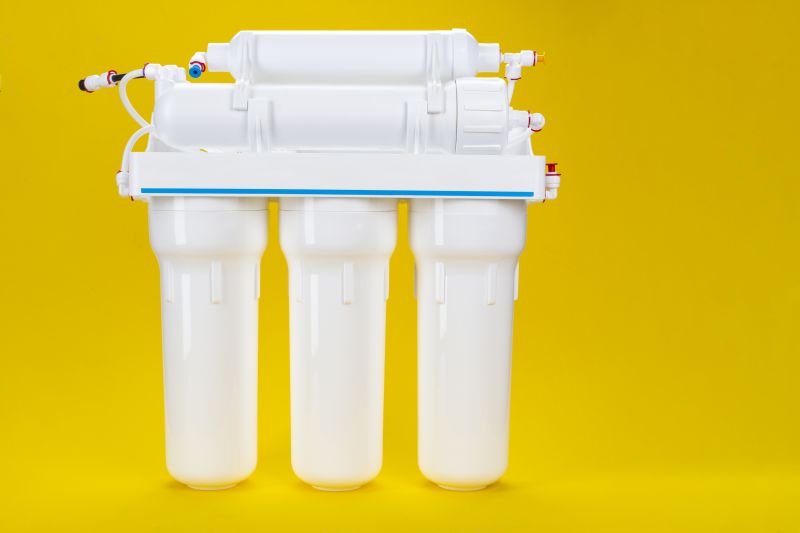
Advanced systems used in water treatment processes.
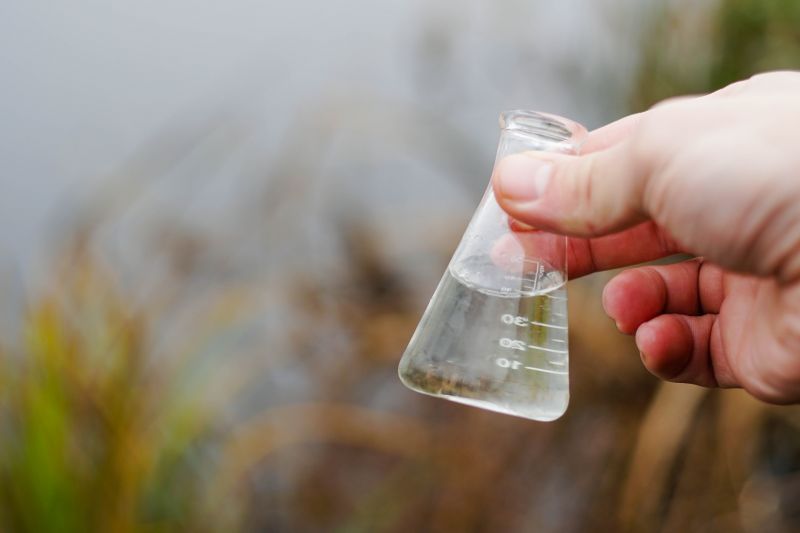
Samples being analyzed for quality assessment.
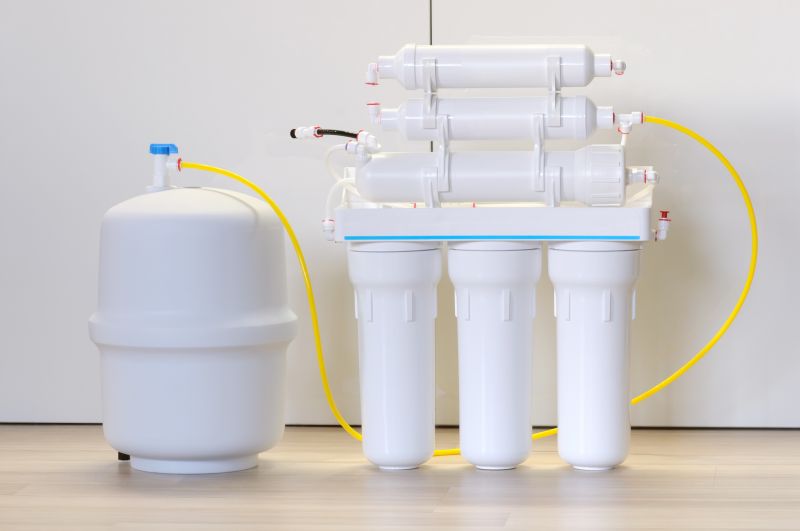
Filtration and purification in action.
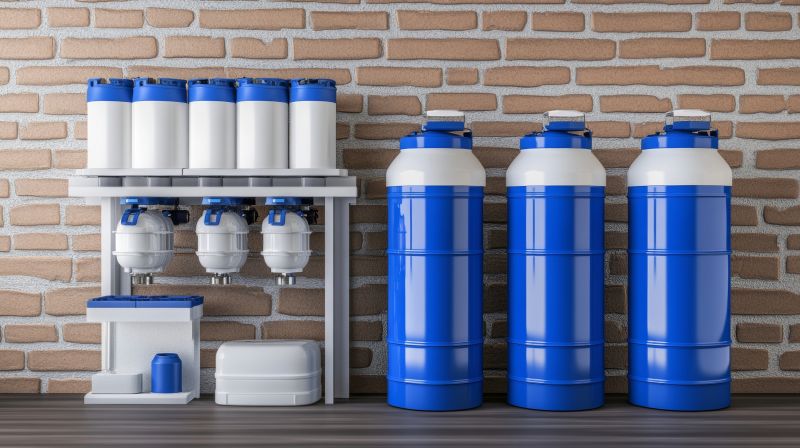
Ways to make Water Treatments work in tight or awkward layouts.
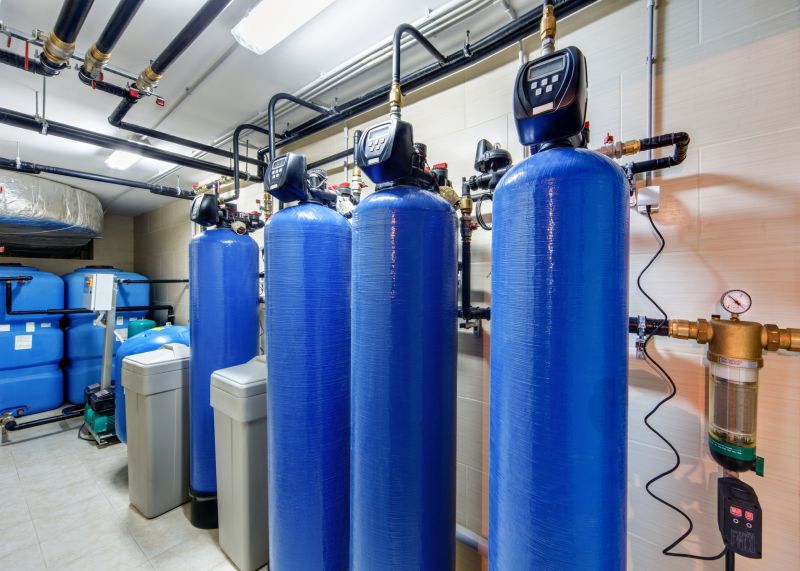
Popular materials for Water Treatments and why they hold up over time.

Simple add-ons that improve Water Treatments without blowing the budget.
| Timing Aspect | Recommended Schedule |
|---|---|
| Seasonal Changes | Before summer peak and after winter shutdowns |
| Construction Phases | Pre- and post-construction |
| Routine Maintenance | Quarterly or semi-annual intervals |
| Weather Events | Following heavy rains or drought periods |
| Water Testing Results | As indicated by source analysis |
| System Upgrades | Prior to system installation or upgrades |
| Water Source Changes | When new sources are introduced |
| Regulatory Compliance | As per local water quality standards |
Water treatments are vital for ensuring water safety and quality across residential, commercial, and industrial applications. They address issues such as sediment, microbial contamination, and chemical impurities. Statistics show that proper water treatment can reduce waterborne illnesses by up to 80 percent and extend the lifespan of plumbing systems by preventing mineral buildup.
Optimal timing of water treatments involves understanding seasonal patterns, water source variability, and system usage cycles. Regular testing and maintenance help identify the best moments for intervention, ensuring water remains safe and compliant with health standards. Advances in treatment technology continue to improve effectiveness, making scheduling even more critical for long-term water management.
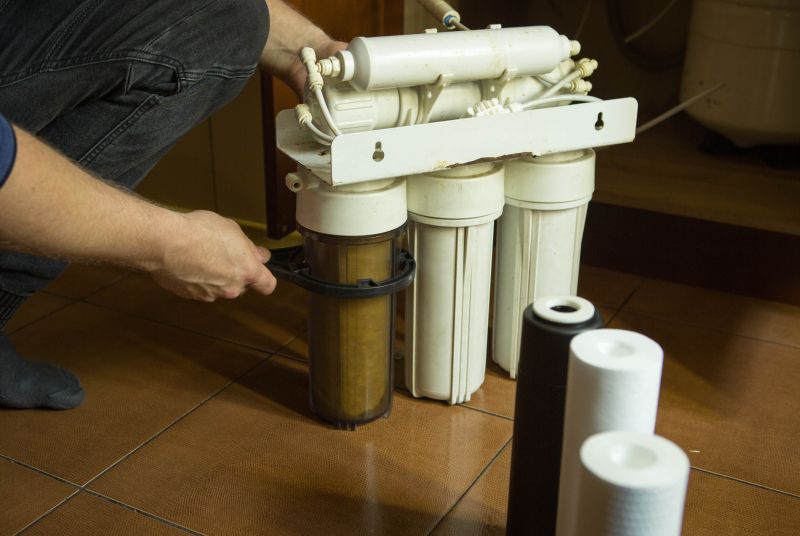
Installation of modern filtration units.
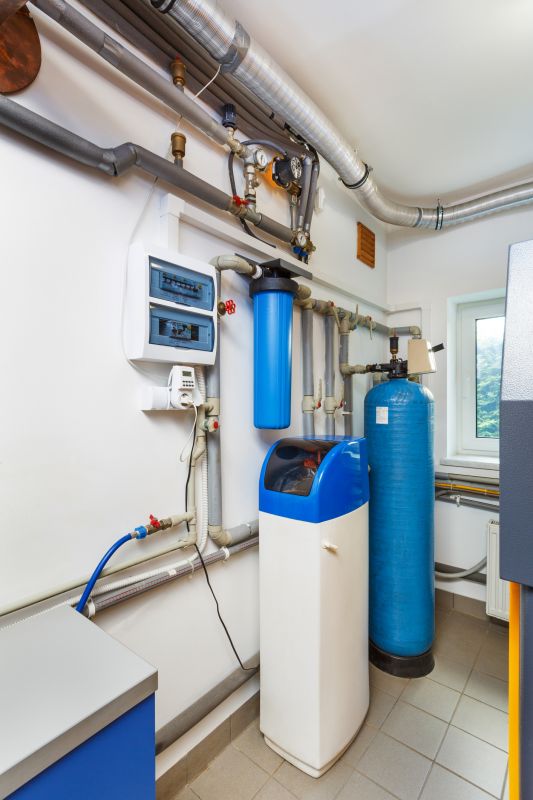
Laboratory analysis of water samples.
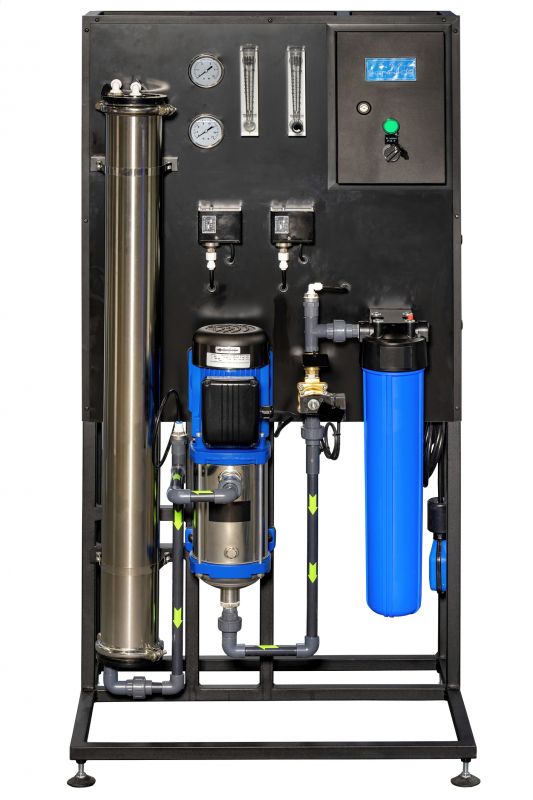
Chemical dosing for water purification.
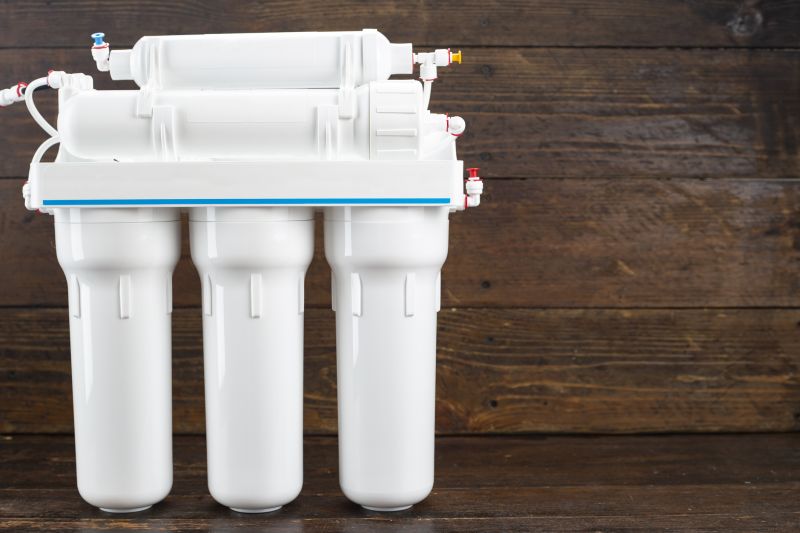
Large-scale treatment plant operations.
Individuals interested in scheduling water treatments are encouraged to contact for detailed assessments and tailored treatment plans. Proper timing not only enhances water quality but also optimizes system performance and reduces long-term costs.